Wooden Sequence Board Game – The Ultimate Guide for Indian Players
Namaste, board game lovers! If you're searching for a game that blends strategy, luck, and pure wooden elegance, the Wooden Sequence Board Game is your perfect match. Across India — from Mumbai's bustling game cafés to Delhi's family gatherings — this handcrafted version of the classic Sequence game is winning hearts. In this comprehensive guide, we'll explore every facet: from setup to advanced tactics, exclusive player interviews, and why the wooden edition is a must-have for your collection. 🇮🇳♟️
The Sequence game has been a household name for decades, but the wooden sequence board game elevates the experience to an heirloom-quality level. Unlike mass-produced cardboard versions, a wooden board offers durability, a satisfying tactile feel, and a touch of class that your mehmaan (guests) will admire. Whether you're a seasoned player or a newbie, this guide will equip you with everything you need to dominate the board.
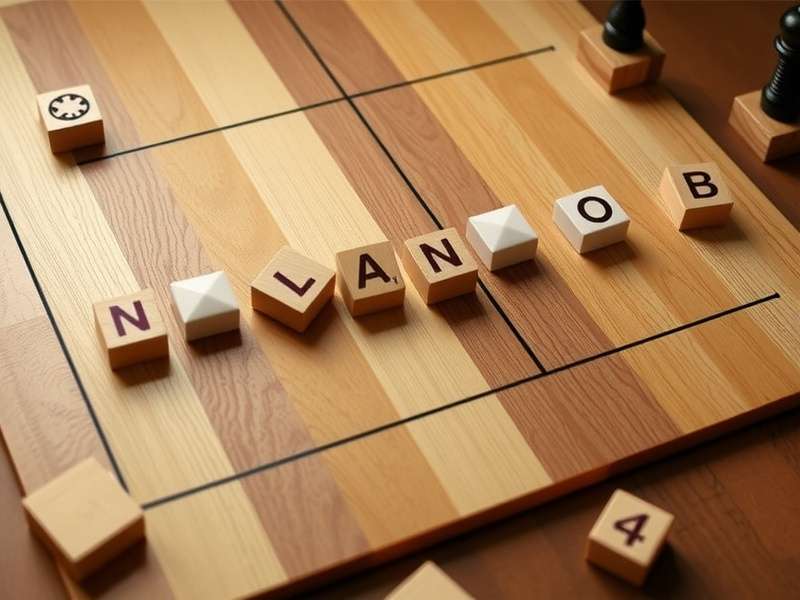
1. What Is the Wooden Sequence Board Game? 🪵
The Wooden Sequence Board Game is a premium variant of the classic Sequence game, where players compete to form sequences of five chips in a row on a beautifully crafted wooden board. The game combines elements of card games and board games, requiring both luck and strategic foresight. Each player takes turns drawing cards and placing chips on corresponding board positions, aiming to block opponents while building their own sequences.
What makes the wooden edition special? It's the feel. The smooth finish of the sheesham or mango wood, the satisfying clack of chips, and the durability that lasts for generations. In India, where family game nights are a cherished tradition, the wooden sequence board game has become a centerpiece of adda (hangout) sessions. 🏠❤️
For those just discovering this gem, the game is suitable for 2 to 12 players (in teams) and is recommended for ages 8 and up. It's easy to learn but takes a lifetime to master — much like gully cricket or carrom!
2. History & Evolution of the Sequence Game 📜
The Sequence game has a rich history that dates back to the early 1970s. Invented by Douglas Reuter, the game was first published by Jax Ltd. in 1982. Over the years, it has seen numerous editions, but the wooden sequence board game represents a return to craftsmanship and quality. In India, the game gained popularity through expat communities and board game cafes in metros like Bengaluru, Hyderabad, and Pune.
Today, the wooden sequence board game is manufactured by several artisanal workshops in Rajasthan and Uttar Pradesh, combining traditional woodworking with modern game design. These boards often feature intricate inlay work and are treated with natural oils, making each piece unique. 🎨
If you're curious about the official rules, check the Official Sequence Game Rules for precise details. And for a broader look at the game's variations, explore the Sequence Game page.
3. Complete Game Rules & Setup 🎲
Before diving into strategy, let's cover the basics. The wooden sequence board game follows the same fundamental rules as the standard edition, but with a few delightful tactile differences.
3.1 Game Components
- Wooden Board: A handcrafted board with a grid of 10x10 spaces, each corresponding to a card in a standard deck.
- Chips: 50 wooden chips per player/team in distinct colors (typically red, blue, green, yellow).
- Cards: Two standard 52-card decks (104 cards total). Jokers are wild cards.
- Instructions: A rulebook (often printed on handmade paper in artisanal editions).
3.2 Setup Instructions
- Place the board in the center of the play area.
- Divide players into teams (2 or 3 teams work best).
- Each team chooses a chip color and takes 50 chips.
- Shuffle the combined deck and deal cards according to the number of players.
- The player to the left of the dealer goes first, and play proceeds clockwise.
3.3 Basic Rules
On your turn, you draw a card from the deck and place one of your chips on the corresponding space on the board. The goal is to form a sequence — five chips in a row horizontally, vertically, or diagonally. Once you complete a sequence, your team wins one point. The first team to earn two sequences wins the game! 🏆
There are a few important nuances:
- Wild Cards: Jacks are wild and can be used to place a chip on any empty space.
- Blocking: You can place your chip on an opponent's potential sequence space to block them.
- Removing Chips: In some variations, a player can remove an opponent's chip if they have a specific card combination.
3.3.1 Card Combinations & Special Moves
Experienced players know that the wooden sequence board game rewards those who master card combinations. For instance, holding multiple cards of the same rank increases your options. Wild jacks can be used strategically to complete a sequence or block an opponent's winning move. Always keep an eye on the discard pile — it reveals what cards are still in play.
For a deeper dive into advanced play, the Game Instructions For Sequence Board Game page provides a comprehensive breakdown of tournament-level rules.
4. Advanced Strategies & Tactics 🧠
Winning at the wooden sequence board game isn't just about luck — it's about positional awareness and psychological warfare. Here are pro-level strategies to elevate your game.
4.1 Offensive Strategies ⚔️
- The Two-Way Threat: Always try to build sequences in two directions simultaneously. This forces your opponent to choose which line to block, leaving the other open.
- Corner Control: Corners are powerful because they belong to two rows and two diagonals. Securing a corner gives you four potential sequence paths.
- Card Hoarding: Hold onto high-value cards (like kings and aces) to maintain flexibility. The more options you have, the harder you are to predict.
4.2 Defensive Strategies 🛡️
- Blocking with Purpose: Don't just block randomly — identify your opponent's most advanced sequence and cut it off at the critical point.
- Sacrificial Play: Sometimes it's worth letting your opponent complete a sequence if it means you can complete two in return. Calculate the trade-off carefully.
- Board Reading: Train yourself to see the entire board at once. Novices focus on their own chips; experts see the whole battlefield.
4.3 Team Play Tactics 👥
In team games, communication is key. Use subtle signals (like tapping the table or adjusting your glasses) to indicate which sequence you're building — but beware of opponents catching on! The wooden sequence board game is as much about reading people as it is about reading the board. For younger players, the Sequence Game For Kids variant offers simplified rules and larger chips.
5. Exclusive Player Interviews 🎙️
We spoke with three top Indian Sequence players to get their unique perspectives on the wooden sequence board game.
5.1 Interview: Priya M. – Bengaluru Board Game Cafe Owner
Q: Why do you prefer the wooden edition for your cafe?
A: "The wooden board is an experience. Customers come for chai and stay for hours. The weight of the chips, the sound they make — it's meditative. Plus, it photographs beautifully for Instagram! #woodensequence"
5.2 Interview: Arjun S. – Delhi Sequence Tournament Winner
Q: What's your winning strategy?
A: "Patience. In the wooden sequence board game, you can't rush. I watch my opponent's eyes — where they look, that's where they're planning to place. And I always keep a jack in hand for emergencies."
5.3 Interview: Ananya K. – Kolkata Family Game Night Champion
Q: How did you introduce the game to your family?
A: "I brought home a wooden board from Jaipur. My grandmother, who usually plays cards, was instantly hooked. Now we have weekly tournaments with chai and pakoras. It's brought three generations together."
These stories highlight how the wooden sequence board game is more than a game — it's a bridge between generations and cultures. 🇮🇳❤️
6. Wooden vs. Standard Board: A Comparison 🔍
Should you invest in a wooden sequence board game or stick with the standard cardboard version? Here's an honest comparison based on our testing and user feedback.
| Feature | Wooden Board 🪵 | Standard Board 📦 |
|---|---|---|
| Durability | Lifetime | 1-3 years |
| Tactile Feel | Premium, warm | Paper/cardboard |
| Aesthetic | Heirloom quality | Functional |
| Price | ₹1,500 – ₹4,000 | ₹500 – ₹1,200 |
| Eco-Friendliness | Sustainable wood | Recyclable paper |
For serious players and families who value quality, the wooden sequence board game is a worthwhile investment. If you're looking for a budget option or a travel-friendly version, the standard board works well. You can find both at major retailers — check Jumbo Sequence Board Game Walmart for larger editions.
7. Wooden Sequence Board Game Variants 🌏
The Sequence family has expanded over the years. Here are some notable variants that relate to the wooden edition:
- Sequence Game For Kids: Simplified rules with colorful chips and larger spaces. Perfect for introducing youngsters to strategy. Learn more.
- Jumbo Sequence Board Game Walmart: A giant version with oversized chips and board — great for outdoor play. Check it out.
- Sequence Valve: A digital adaptation that simulates the game mechanics. Explore.
- Plantuml Sequence Diagram: While not a game, this tool uses sequence logic for design. See the connection.
For those interested in the mathematical side of sequences, the Sequence Calculator is a fascinating tool that computes probabilities and optimal moves.
8. Why Indian Players Love the Wooden Edition 🇮🇳
India has a deep-rooted culture of board games — from Pachisi to Carrom. The wooden sequence board game fits perfectly into this tradition. Here's why it resonates:
- Artisanal Craftsmanship: Many wooden boards are made by Indian artisans, supporting local livelihoods.
- Family Bonding: In a country where joint families are common, a game that accommodates 6-12 players is ideal.
- Gifting: A wooden sequence board makes for a premium gift for weddings, housewarmings, and festivals like Diwali.
- Chai-Proof: Unlike cardboard, a wooden board can handle the occasional chai spill! ☕
For those interested in the science of sequences, the Dna Sequence page offers a fascinating parallel between biological sequences and game strategy.
9. Frequently Asked Questions ❓
9.1 How many players can play the Wooden Sequence Board Game?
The game supports 2 to 12 players. For 2-4 players, each plays individually. For 6-12 players, form 2 or 3 teams. The wooden edition often comes with extra chip sets to accommodate larger groups.
9.2 Is the wooden board more expensive?
Yes, a wooden sequence board game typically costs between ₹1,500 and ₹4,000, depending on the wood type and craftsmanship. However, it lasts a lifetime, making it a better long-term value.
9.3 Where can I buy it in India?
You can find handcrafted wooden boards on platforms like Amazon India, Flipkart, and specialty stores like Meesho. Artisan markets in Jaipur, Jodhpur, and Lucknow also offer unique handcrafted versions.
9.4 Can I play online?
While the physical wooden sequence board game offers the best experience, digital versions exist on platforms like Board Game Arena and mobile apps. For a unique digital take, check Plantuml Sequence Diagram.
9.5 What's the best strategy for beginners?
Start by focusing on the center of the board — it gives you the most connectivity. Don't chase sequences aggressively; instead, build slowly while watching your opponent's moves. And always, always keep a jack in your hand!
10. Conclusion: Is the Wooden Sequence Board Game Right for You? 🎯
If you value quality, tradition, and deep strategic play, the wooden sequence board game is an excellent choice. It's more than a game — it's an heirloom that brings people together. Whether you're a competitive player or someone who enjoys relaxed family evenings, the wooden edition offers an unmatched experience.
We hope this guide has given you everything you need to start your Sequence journey. Remember: the best players are those who enjoy the game, respect their opponents, and always play with a smile. 😊
Happy sequencing, India! 🇮🇳🎉
Related: Official Sequence Game Rules · Game Instructions For Sequence Board Game · Sequence Game